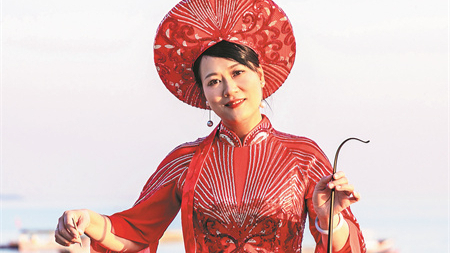
Jing Ethnic Group
Introduction
The Jing ethnic group is a recognized ethnic group in China, predominantly residing in China's Guangxi Zhuang autonomous region. With a population of approximately 30,000, the majority of the Jing people live on the islands of Wanwei, Wutou, and Shanxin in the Dongxing area. As the only ethnic group in China distinguished by their marine culture, the Jing people have historically relied on fishing as a primary source of livelihood. This close relationship with the coastal environment has significantly influenced their culture, traditions, and way of life.
The Jing ethnic group is renowned for their distinctive cultural practices, including traditional music, dance, and festivals. One of the most notable aspects of Jing culture is the Duxianqin, a single-string musical instrument that has become emblematic of their cultural heritage. As an ethnic group, the Jing people have faced challenges in preserving their traditions and language amidst modernization and external influences. However, efforts are being made to sustain and promote their rich cultural heritage through educational initiatives and government support.
History
Origins
The origins of the Jing ethnic group are deeply rooted in the maritime history of Southeast Asia. The Jing people are believed to have ancestral ties to the coastal regions of present-day Vietnam, and their migration to the islands of Dongxing in Guangxi is thought to have occurred over several centuries. As a seafaring community, the Jing developed a unique cultural identity that reflects a blend of influences from both their original homeland and the coastal regions of China.
Historical records suggest that the Jing people have maintained a presence in the Guangxi region since at least the 8th century. Over time, they have adapted to the local environment while preserving elements of their traditional culture. The Jing's maritime heritage is particularly evident in their fishing techniques, boat-building skills, and coastal settlements, which have remained largely unchanged for generations.
Culture
Language
The Jing ethnic group has its own language, which is a significant marker of their cultural identity. It is characterized by its soft tones and strong nasal sound, which are distinct features of the linguistic heritage of the Jing people. Despite the small population size, the Jing language remains an integral part of daily communication and cultural expression within the community.
Efforts have been made to preserve and promote the Jing language as an essential element of the group's cultural heritage. Educational initiatives in local schools aim to incorporate the Jing language into the curriculum, ensuring that younger generations have the opportunity to learn and use their ancestral language. Additionally, the regional government has supported the documentation and teaching of the language to help sustain its use among the Jing people.
Traditional Clothing
Traditional clothing is an important aspect of Jing cultural identity, reflecting their history and lifestyle. The attire of the Jing people is often colorful and intricately designed, incorporating elements that are emblematic of their maritime heritage. Traditional garments are typically worn during festivals, ceremonies, and special occasions, serving as a visual representation of the Jing's cultural distinctiveness.
The designs and patterns used in Jing clothing often draw inspiration from the natural environment, including motifs of marine life and coastal landscapes. The craftsmanship involved in creating these garments highlights the artistic skills and aesthetic sensibilities of the Jing people. While modernization has influenced dress styles, traditional clothing remains a cherished aspect of Jing cultural heritage.
Cuisine
The cuisine of the Jing ethnic group is deeply influenced by their coastal environment and fishing traditions. Seafood is a staple in Jing culinary practices, with a variety of fish, shellfish, and marine plants commonly used in their dishes. The preparation of Jing cuisine often involves simple cooking methods that highlight the natural flavors of the ingredients, reflecting their reliance on fresh and locally sourced produce.
Traditional Jing dishes are known for their balance of flavors, incorporating a mix of salty, sour, and spicy elements. Rice is a fundamental component of Jing meals, often served alongside seafood and vegetable dishes. The culinary traditions of the Jing people are not only a reflection of their cultural identity but also a testament to their adaptability and ingenuity in utilizing the resources available in their coastal habitat.
Festivals and Celebrations
Festivals and celebrations play a vital role in the cultural life of the Jing ethnic group, serving as occasions to honor their heritage and strengthen community bonds. One of the most significant celebrations is the Ha Festival, also known as the Singing Festival. This traditional event is marked by music, dance, and communal gatherings, providing an opportunity for the Jing people to express their cultural identity through performance.
The Ha Festival is a vibrant expression of the Jing's musical heritage, with the Duxianqin often featured as a central element in the celebrations. Participants engage in singing competitions, showcasing their vocal talents and storytelling abilities. The festival also includes various traditional games and activities, creating a festive atmosphere that unites the community.
In addition to the Ha Festival, the Jing people celebrate a variety of other cultural and religious events throughout the year. These celebrations often involve rituals and customs that have been passed down through generations, maintaining a connection to the Jing's ancestral traditions. The festivals serve as a platform for cultural exchange, allowing the Jing people to share their heritage with others while reinforcing their unique identity.
Economy
Traditional Occupations
The traditional economy of the Jing ethnic group is primarily centered around fishing and related activities. As a coastal community, the Jing people have historically depended on the sea for their livelihood, employing various fishing techniques that have been refined over generations. The skills and knowledge associated with fishing are deeply ingrained in Jing culture, forming an essential part of their economic and social life.
In addition to fishing, the Jing people engage in other traditional occupations such as boat-building, net-making, and fish processing. These activities are crucial for sustaining the community's economic well-being and are often carried out using methods that have been adapted to the local environment. The craftsmanship involved in these occupations reflects the Jing's deep connection to their maritime heritage and their ability to thrive in coastal settings.
Modern Economic Activities
Tourism has emerged as a significant economic driver for the Jing people, with their unique culture and scenic coastal environment attracting visitors from both China and abroad. The promotion of cultural heritage, including festivals and traditional crafts, has become a key strategy for boosting tourism and generating income for the community. Additionally, efforts are being made to balance economic development with environmental conservation, ensuring the sustainable use of natural resources.
Challenges and Preservation Efforts
Various preservation efforts have been implemented to safeguard the Jing's cultural heritage. The establishment of the Dongxing Jing Ecomuseum is a notable initiative aimed at promoting awareness and appreciation of Jing culture. The ecomuseum serves as a center for cultural education and research, offering exhibitions, performances, and workshops that highlight the Jing's unique traditions.
Government support has also been crucial in protecting Jing cultural heritage. Legislative measures have been introduced to include Jing culture in educational curricula and promote the teaching of the Jing language. These efforts aim to empower the Jing community to actively engage in the preservation and promotion of their cultural identity for future generations.








